Understanding Data Relationships in the WordPress Database
Learn how one-to-one, one-to-many, and many-to-many relationships appear across the WordPress database tables.


Learn how one-to-one, one-to-many, and many-to-many relationships appear across the WordPress database tables.
Create WordPress settings pages and fields more easily with Piklist on top of the standard Settings API.

Build front-end WordPress forms more safely and cleanly with Nette Forms instead of hand-writing HTML and validation logic.

Integrate Alipay into WordPress with Omnipay Alipay and a cleaner, more consistent payment workflow.
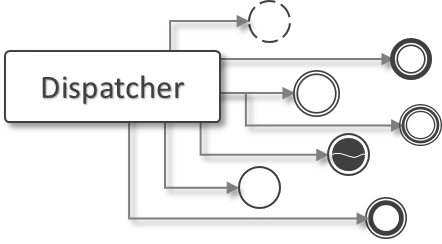
Create custom routes in WordPress with WordPress Dispatcher so you can handle Ajax-style requests and custom URLs without extra page records.

Learn how WordPress stores user data in wp_users, wp_usermeta, wp_posts, and wp_comments, and how those tables relate to one another.

A practical introduction to WordPress metadata, metadata tables, common use cases, and the core functions for querying and updating meta values.

A practical guide to the WordPress wp_options table, including its structure, data sources, access rules, Options API, and Settings API.

Use Twig inside a WordPress theme or application to separate templates from data and make rendering logic cleaner.

Fetch WordPress post data through the REST API and render it in the front end with the lightweight Mithril JavaScript MVC framework.