Use the RedBean PHP ORM in WordPress to Work with the Database
Use RedBeanPHP inside WordPress to simplify database access, create tables dynamically, and build cleaner custom application data models.


Use RedBeanPHP inside WordPress to simplify database access, create tables dynamically, and build cleaner custom application data models.
Disable the WordPress post embed feature by removing the oEmbed routes, discovery links, and host JavaScript from the site.

Use WordPress nonce-based cookie authentication so front-end POST requests to the REST API are treated as valid first-party requests.

Restore the hidden Get Shortlink button in the WordPress 4.4 editor with either a small plugin or a one-line filter.

Create a VIP role and a shortcode in WordPress so only users with the right capability can read protected content.

Add a custom user field to the WordPress profile editor, save it to user meta, and retrieve it later with get_user_meta().

Disable the default WordPress visual editor for pages using a specific template so users only work with the custom fields they actually need.
Build a taxonomy-based dropdown filter in WordPress so users can filter archive content by a selected custom taxonomy term.

A practical introduction to the main content types in WordPress, how posts, comments, users, and metadata relate to each other, and why post types matter.
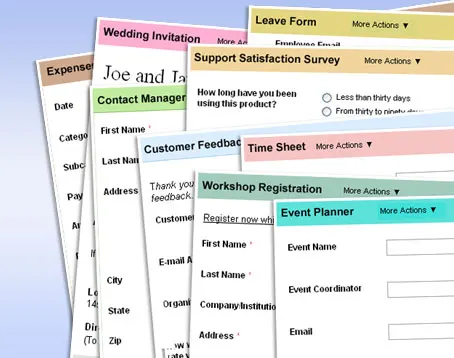
Piklist can now create front-end forms, making post submission and profile editing forms much easier to build in WordPress.