Adding the current-menu-item CSS Class to Post Type Archive Menu Items on Single Post Pages
We know that when we access a WordPress URL, WordPress will automatically add the “current-menu-item” class to this URL in…


We know that when we access a WordPress URL, WordPress will automatically add the “current-menu-item” class to this URL in…

When developing a WooCommerce theme, a common requirement is to allow users to add some custom information to a product…
Whether you understand post types and custom taxonomies is a simple way to judge whether a developer has truly started…
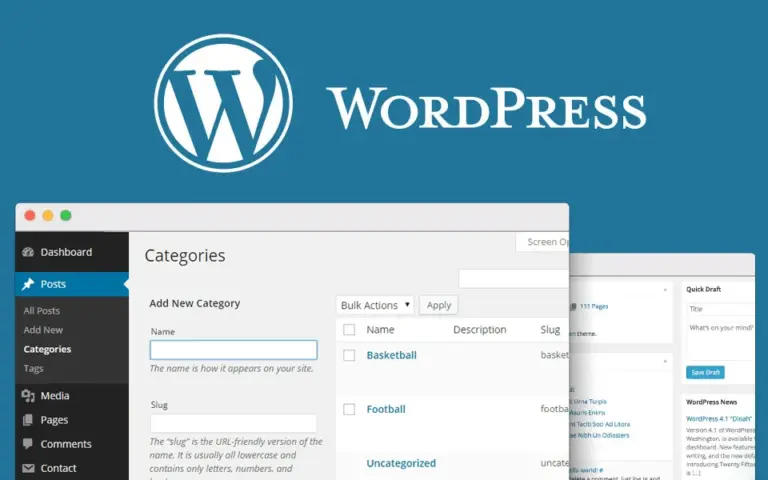
When developing complex WordPress themes, we often have the need to set different templates for different categories. WordPress’s hierarchy mechanism…

On some WordPress sites, users are allowed to upload photos (e.g., through a front-end form or a membership system). Over…

In enterprise-level WordPress site development, customers often need to batch import product information, user data, or order records from Excel…
Standard WordPress category or tag archive pages usually handle pagination automatically. However, when we are using get_terms() to list all…

By default, if an image you upload to WordPress is smaller than a defined thumbnail size (e.g., your theme defines…

When developing WordPress themes, we often need to set individual templates for posts. For example, if a post is in…

Sticky posts are a very useful feature in WordPress, allowing us to pin certain important articles to the top of…

In WordPress development, we often encounter tasks that take a long time to execute, such as batch sending emails, processing…
In WordPress, “post meta” data is stored in the wp_postmeta table and is used to store additional information for posts,…