Validating, Sanitizing, and Escaping User Data in WordPress Development
“Never trust data provided by users” is a golden rule in programming. A secure WordPress theme or plugin, or any…


“Never trust data provided by users” is a golden rule in programming. A secure WordPress theme or plugin, or any…

In WordPress, “post meta” data is stored in the wp_postmeta table and is used to store additional information for posts,…
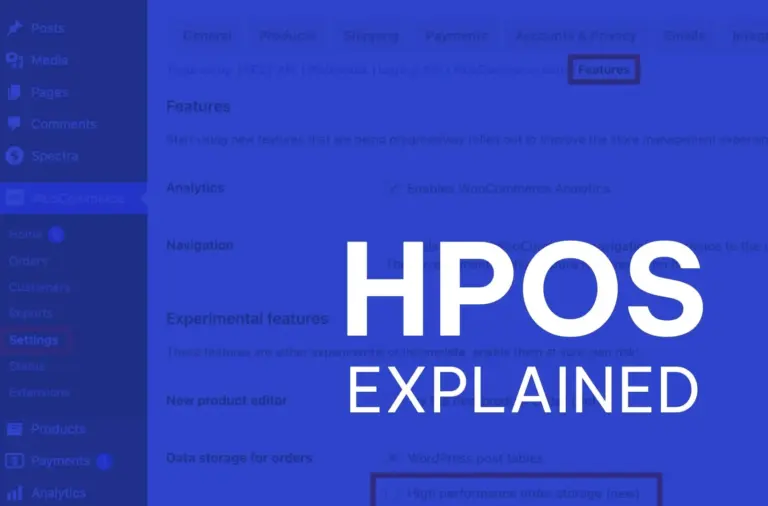
Understand how WooCommerce HPOS works and its advantages. Learn about the new database structure, performance improvements, and how to make your plugins compatible with High-Performance Order Storage.

Enhanced database security by enabling audit logging in MySQL and MariaDB. This guide covers downloading the McAfee audit plugin, manual installation, and configuration for Linux servers.

A practical guide to validating, sanitizing, and escaping user data correctly in WordPress themes and plugins.

Clean up orphaned post meta in WordPress with SQL or a database-cleaning plugin to reduce database bloat and improve performance.
A practical introduction to the CRUD classes added in WooCommerce 3.0 and why they improve data handling.
See why WooCommerce 3.0 introduced CRUD classes, what problems they solve, and how the new data access pattern differs from direct post meta updates.

A practical guide to how WordPress Multisite stores data across the main site, network-wide tables, and each individual subsite.

Learn how WordPress Multisite stores network data, shared user data, and per-site tables across the multisite database structure.