Authenticating WordPress REST API Using JWT Authentication
The WordPress REST API provides a modern way for external applications to interact with WordPress. By default, many REST API…

The WordPress REST API provides a modern way for external applications to interact with WordPress. By default, many REST API…

Learn how to restrict anonymous access to the WordPress REST API to prevent username enumeration and enhance site security. Discover multiple methods including code snippets and security plugins.

Modernize your WordPress JavaScript development by using the addQueryArgs function from the @wordpress/url library. Learn how to construct complex URLs with multiple parameters cleanly and efficiently.

The WordPress REST API’s default sorting options are limited. Learn how to extend the API to support sorting by menu order or any custom meta field using simple filters.
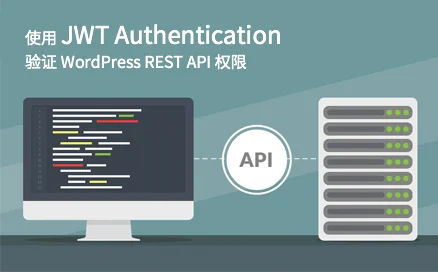
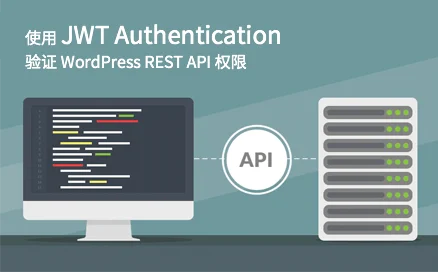
Use the JWT Authentication for WP REST API plugin to authenticate users outside the WordPress theme layer and validate later requests with a token.
Upload images to the WordPress media library with jQuery Ajax and the WP REST API, including the required request format.
Use jQuery Ajax and the WordPress REST API /media endpoint to upload images and attach them to posts as featured images or custom fields.
Send form fields through the WordPress REST API and use register_rest_field() to store the extra data as post meta.
Submit form data to the WordPress REST API and store it as post meta custom fields with a practical implementation approach.

Use Vue.js and Axios with the WordPress REST API to retrieve content and submit data back to WordPress.